Startup Central FTC Endorsement Guidelines for Startups: Influencer Marketing, Reviews, and Compliance The FTC’s Endorsement Guides (16 CFR Part 255) are the playbook for using testimonials, influencers, affiliates, and reviews without misleading customers.
Startup Central Cap Table Discipline: A Practical Guide for Startup Founders and In-House Counsel A capitalization table (or "cap table") is the record of who owns what in your company — across shares, equity awards, and convertibles — and how that…
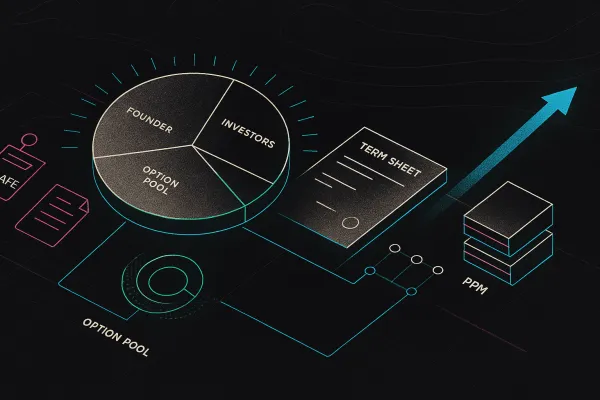
Startup Central Why Cap Tables Decide Who Really Owns Your Company A capitalization table (or cap table ) is your company's ownership ledger: who owns what (common stock, preferred stock, options, SAFEs/notes), how…
Intellectual Property & Branding Software Copyright Registration: When and How to Protect Your Code (Developer-First Checklist) Table of contents Loading the Elevenlabs Text to Speech AudioNative Player... Your main branch is production — and when a disputed commit shows up, it turns into “legal debt” that can block releases, rollbacks, fundraising, and M&A diligence. This guide is for CTOs, founders, senior engineers, and startup counsel
Startup Central Carta and Cap Table Software: Why You Still Need Legal Counsel Table of contents Loading the Elevenlabs Text to Speech AudioNative Player... Why Your Cap Table Tool Still Needs a Lawyer Cap table platforms (and even well-built spreadsheets) are now standard operating equipment for startups. They’re great at storing ownership data, producing investor-ready exports, and modeling dilution. But
Startup Central Why startup employment policies can’t wait until you hire HR Table of contents Loading the Elevenlabs Text to Speech AudioNative Player... Why startup employment policies can’t wait until you hire HR Early-stage startups move fast, run lean, and rely on trust. That’s exactly why many teams postpone basic employment policies — until a real issue hits: a harassment
Trademark Understanding How Long a US Federal Trademark Can Last Table of contents Loading the Elevenlabs Text to Speech AudioNative Player... Why trademark lifespan and renewals matter For many startups, a U.S. federal trademark registration is a real balance-sheet asset: it supports fundraising diligence, marketplace takedowns, and enforcement against lookalike brands. But registration is only the starting line.
Fundraising & Financial Regulation Angel Funding for Startups: A Legal Playbook for Founders Table of contents Loading the Elevenlabs Text to Speech AudioNative Player... Why legal expertise can make or break your angel round Angel funding is often the first time a startup takes meaningful outside capital — and the paper you sign now will shape every later financing, employee equity grant, and acquisition
Startup Central What a Cap Table Is and How It Actually Works in Practice Table of contents Loading the Elevenlabs Text to Speech AudioNative Player... Why cap tables matter more than most founders think A cap table (capitalization table) is a living spreadsheet or system that shows who owns what in your company, on what terms, both today and on a fully diluted basis.
Startup Central Vendor Contracts for Startups: A Practical Legal Checklist Vendor contracts govern every outside relationship your startup depends on. This checklist covers scope of work, liability caps, IP ownership, data security, termination rights, and the red flags founders should catch before signing any vendor agreement.
Startup Central Catering Contracts for Texas Startups: FTC Compliance, Reviews & Influencer Disclosures FTC endorsement rules apply to startups of every size. This guide covers disclosure requirements for customer reviews, influencer partnerships, and social media marketing. Learn what triggers scrutiny, how to draft compliant agreements, and the penalties for violations.
Digital Presence & Online Policies FTC Endorsement Rules: What Every Startup Must Know The FTC holds startups to the same endorsement standards as major brands. This guide covers required disclosures for paid reviews, influencer deals, and employee testimonials. Learn how to structure compliant campaigns and draft enforceable influencer agreements.
Trademark Trademark Maintenance and Renewal: A Practical Guide for Startups A trademark registration is only as strong as its maintenance. This guide covers exact USPTO filing deadlines at years 5-6 and 9-10, specimen requirements, Section 8 and 15 filings, and what happens if you miss a window. Built for founders managing brand IP on a lean budget.
Startup Central Legal Data Science for Startups: Using AI, Analytics, and Lawyer-in-the-Loop Workflows to Scale Legal Operations Data science is changing how startups manage legal work. This guide covers AI-assisted contract review, analytics-driven risk assessment, and lawyer-in-the-loop workflows that improve speed without sacrificing judgment. Practical patterns for lean legal teams.
Startup Central Issued Stock for Startups: A Legal Guide to Cap Table Accuracy and Shareholder Disputes Issued stock is the foundation of your cap table, and errors compound fast. This guide covers how to issue shares correctly, maintain accurate records, reconcile authorized vs. issued counts, and prevent shareholder disputes that stall financings.
Fundraising & Financial Regulation Angel Investing Legal Guide: SAFEs, Term Sheets, and Cap Table Protection Angel investing carries legal complexity beyond writing a check. This guide covers SAFE mechanics, term sheet negotiation, anti-dilution protections, pro-rata rights, and cap table positioning for angels and founders who want clean deal structures.
Business Formation & Corporate Governance Fiduciary Duties for Startup Boards and Founders: A Practical Governance Checklist Fiduciary duties govern every board decision your startup makes. This checklist covers duty of care, duty of loyalty, conflict-of-interest protocols, related-party transactions, and documentation standards for founders transitioning to board roles.
Startup Central How Data Science Is Transforming Legal Strategy for Startups and Growing Businesses (Practical Guide) Data-driven legal strategy helps startups reduce cost and manage risk at scale. This guide covers how analytics inform contract negotiation, litigation risk, and compliance monitoring. Practical workflows for integrating data science into legal operations.
Fundraising & Financial Regulation Convertible Notes vs. SAFEs: Key Differences, Risks, and Which Is Better for Startups Convertible notes and SAFEs both defer valuation, but the legal and economic differences matter. This guide compares interest, maturity, conversion mechanics, cap table impact, and investor rights to help you choose the right instrument for your stage.
Startup Central Why Your Digital Cap Table Needs More Than Software Cap table software organizes equity data but won't catch missing approvals, mis-modeled SAFEs, or document mismatches. This guide explains where platforms stop and legal judgment begins, and how to keep your cap table defensible through diligence.
AI Law U.S. Scraping Limits, API Access Controls, and National-Security Actions Are Reshaping AI Training Data Sourcing (and Fair Use) Federal enforcement, evolving case law, and national-security orders are tightening legal rules around AI training data. This guide covers scraping limits, API terms enforcement, copyright risks, and export-control issues for companies building or fine-tuning AI models.
Fundraising & Financial Regulation Technology Venture Capital Law: Term Sheets, Cap Tables, and Dilution for Founders Venture capital deals are built on legal structures that directly affect founder ownership and control. This guide covers term sheet negotiation, preferred stock rights, cap table mechanics, anti-dilution provisions, and governance terms that matter through institutional raises.
Regulatory Compliance & Legal Risk Management Lawyer-Coders for Digital Health: AI Compliance, Telehealth Fraud Prevention, and Safe Automation Digital health startups face overlapping rules from FDA, HIPAA, state telehealth laws, and the FTC. Lawyer-coders bridge legal compliance and technical implementation, helping teams automate clinical workflows, manage AI risk, and prevent telehealth fraud.
Startup Central Why Gmail OAuth 2.0 Security and User Control Matter OAuth 2.0 governs how third-party apps access Gmail data, and getting it wrong creates security and compliance risk. This guide covers token scoping, user consent flows, access controls, and the steps startups need when building integrations that touch email data.
Startup Central Privacy & Security by Design for Texas AI Startups: GDPR, FTC & EU AI Act Compliance AI startups face privacy requirements from the GDPR, FTC, and EU AI Act simultaneously. This guide covers how to build compliance into product architecture from day one, including data minimization, risk assessments, and documentation that satisfies multiple regulators.