Startup Central Data-Savvy Lawyers as Startup Guides to U.S. AI Policy, Export Controls, and Sanctions U.S. AI policy, export controls, and sanctions create legal exposure most startups underestimate. Data-savvy lawyers translate overlapping regulatory frameworks into actionable compliance programs for AI companies managing cross-border risk and technology transfer.
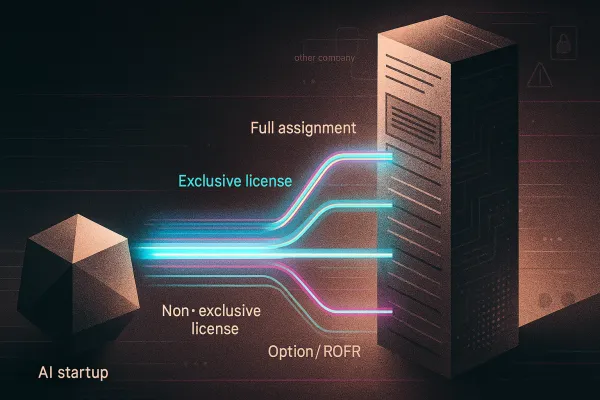
Intellectual Property & Branding How to Buy a Patent: Due Diligence, Valuation, and Assignment Guide for Startups Buying a patent requires more than agreeing on a price. This guide covers freedom-to-operate analysis, prior art review, valuation methods, assignment documentation, and post-acquisition integration for founders evaluating patent acquisitions.
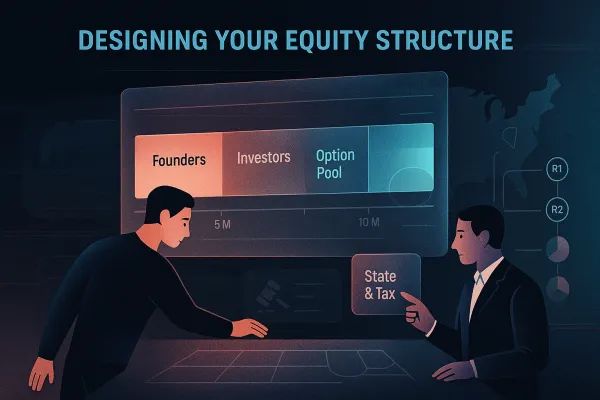
Startup Central Cap Table Fundamentals: What Every Founder Must Track Your cap table is the single source of truth for ownership, dilution, and control. This guide covers what founders must track from day one: authorized vs. issued shares, option pools, SAFEs, vesting schedules, and the legal documents behind every line item.
Startup Central SAFEs vs Convertible Notes vs Convertible Bonds: A Startup Founder's Complete Guide SAFEs, convertible notes, and convertible bonds each carry different legal terms, conversion mechanics, and cap table consequences. This guide compares all three side by side, covering valuation caps, discounts, interest, maturity, and founder dilution.
Concepts in Tech for Lawyers How OAuth 2.0 Actually Secures Gmail Integrations (and Where Things Still Go Wrong) Table of contents Loading the Elevenlabs Text to Speech AudioNative Player... Connecting Gmail to CRMs, automation platforms, or AI assistants shouldn’t require users to hand over a password — or leave you storing one. OAuth 2.0 exists to let a third-party app request limited, revocable access to Gmail
Startup Central Who This Guide Is For and Why Cap Tables Deserve Your Attention Cap tables affect every stakeholder: founders tracking ownership, employees valuing equity grants, and investors modeling returns. This guide explains why accuracy matters at every stage and outlines the legal and operational requirements for keeping records clean.
Startup Central Integrating Legal Review into Carta: A Practical Guide to Accurate, Dispute‑Proof Startup Equity Carta tracks equity data, but legal review ensures it matches signed documents and board approvals. This guide covers how to integrate counsel into your Carta workflow at setup, grant issuance, financing, and audit checkpoints for defensible records.
Startup Central Angel Investor Funding: Why Legal Expertise Is Your Startup’s Best Investment Angel funding shapes your cap table, governance, and future fundraising options. Legal counsel structures clean investment agreements, ensures securities compliance, and protects both founders and investors. Covers the specific legal value-adds for early-stage rounds.
Digital Presence & Online Policies Digital Asset Estate Planning Checklist: How to Make Online Accounts Accessible After Death or Incapacity Digital assets like email, cryptocurrency, social media, and cloud storage need estate planning too. This checklist covers how to inventory digital assets, grant legal access through powers of attorney, navigate platform policies, and prevent permanent account loss.
Concepts in Tech for Lawyers How to Set Up Law Firm Subdomains with Cloudflare and DigitalOcean Running separate web properties for a law firm blog, client portal, or landing pages requires proper subdomain setup. This guide walks through DNS configuration with Cloudflare, DigitalOcean server setup, SSL certificates, and routing decisions for clean infrastructure.
Startup Central Founder Agreement Template: Equity Splits, Vesting, and IP Assignment Explained A founder agreement locks in equity splits, vesting schedules, IP assignment, roles, and what happens if someone leaves. This guide explains each critical clause, common negotiation points, and the legal protections that prevent co-founder disputes from derailing your company.
Business Formation & Corporate Governance Start With the Basics: What Authorized Shares Actually Do (and Don’t Do) Authorized shares set the legal ceiling for equity your company can issue, but they don't create ownership by themselves. This guide explains the difference between authorized, issued, and outstanding shares, why your charter number matters, and how to plan for fundraising.
Fundraising & Financial Regulation Hedge Funds Investing in Startups: A Legal Playbook for Growth-Stage Companies Hedge fund investors bring different expectations than traditional VCs. This playbook covers due diligence requirements, preferred term structures, governance provisions, liquidity preferences, and cap table implications founders must understand before accepting hedge fund capital.
Startup Central Why Clean, Digital Cap Table Management Matters More Than You Think A clean, digital cap table is the difference between a smooth fundraise and a diligence nightmare. This guide explains why messy equity records delay deals, trigger disputes, and erode trust, with a practical framework for maintaining defensible records from formation to exit.
Startup Central The Cap Table as Legal Document: Beyond the Spreadsheet Investors treat your cap table as a legal document that must match signed agreements, board consents, and charter provisions. This guide covers how to reconcile equity records, fix common mismatches, and build an audit-ready cap table that survives diligence.
Startup Central Catering Contracts for Events: A Legal Guide for Startups Catering contracts for product launches, investor events, and team gatherings carry real legal risk around food safety, liability, and cancellation terms. This guide covers key clauses, insurance requirements, and red flags to review before signing.
Business Formation & Corporate Governance When a Cooperative Might Be the Best Legal Structure for Your Business Table of contents Loading the Elevenlabs Text to Speech AudioNative Player... Why Cooperatives Are Having a Moment When most founders think about business structures, they reach for the familiar: LLC for flexibility, C-corp for venture capital, S-corp for tax efficiency. But there's another option that rarely
Business Formation & Corporate Governance Nonprofit or Public Benefit Corporation? How to Choose the Right Structure for Your Mission-Driven Venture Table of contents Loading the Elevenlabs Text to Speech AudioNative Player... You want to build something that matters. A venture that generates revenue while advancing a cause you care deeply about — whether that's environmental sustainability, educational access, or community development. The question isn't whether to embed
Business Formation & Corporate Governance Cap Table Management: A Startup Founder's Complete Guide Equity is a startup's core currency, and the cap table is its ledger. This guide covers initial setup, ongoing maintenance, SAFE and convertible note modeling, common mistakes that stall deals, and when counsel and cap table software must be part of the process.
Startup Central Trademark and Domain Strategy for Startups: A Complete Guide Your brand name and domain are operational infrastructure, not an afterthought. This guide covers combined trademark and domain clearance, USPTO registration timing, defensive domain portfolios, and enforcement strategies that protect your startup's online identity.
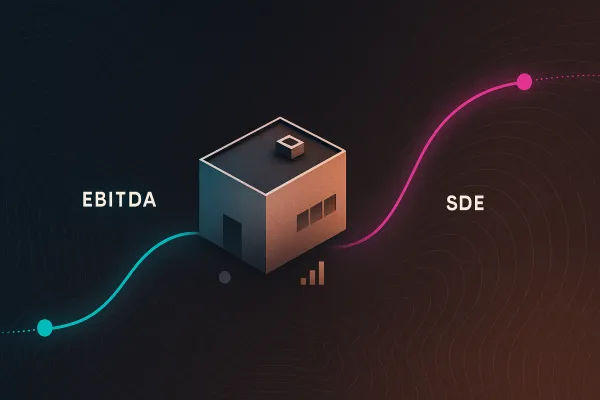
Startup Central EBITDA vs SDE: How the Metric You Choose Can Change Your Sale Price Choosing EBITDA or SDE as your valuation metric can change a sale price by hundreds of thousands of dollars. This guide covers definitions, step-by-step calculations, worked examples, and how to lock the right metric into your LOI to avoid disputes.
Startup Central Startup Cap Table Legal Review: Accuracy, Compliance, and Disputes Cap table errors surface when they're most expensive to fix. This guide provides a repeatable legal review workflow for each startup stage: formation, grants, SAFE and preferred rounds, secondaries, and exits. Includes red-flag checklists for founders and counsel.
Intellectual Property & Branding How Long Do Trademarks Last? Registration, Renewals, and Rights U.S. trademark registrations can last indefinitely if you file required maintenance at years 5-6, 9-10, and every 10 years after. This guide maps the exact USPTO timeline, explains Section 8, 9, and 15 filings, and covers what happens when deadlines slip.
Business Formation & Corporate Governance Benefits of Series LLCs: When This Structure Actually Helps Your Business A Series LLC can reduce formation costs and segregate liability across multiple projects under one entity, but benefits depend on state recognition and operational discipline. Covers advantages, state nuances, and a practical decision framework.
Startup Central Broad-Based Weighted Average Anti-Dilution: A Founder's Guide Broad-based weighted average anti-dilution is standard in preferred stock deals, but small drafting differences can materially shift ownership in a down round. This guide covers the mechanics, negotiation levers, and implementation pitfalls founders need to know.