Technology, AI, & Digital Innovation Generative AI Training and Copyright Law: Fair Use, Technical Reality, and a Path to Balance Generative AI is colliding with copyright law in real time: lawsuits against model developers, growing creator backlash, and rising regulatory attention. This analysis maps how fair use doctrine applies to training data and where licensing intersects.
Startup Central Why Cap Table Accuracy Becomes a Crisis Only When It's Too Late Founders treat the cap table as a quick spreadsheet until an investor demands precise numbers. By then, small errors become deal-killers. This guide covers common mistakes, how counsel keeps records defensible, and a repeatable process to prevent cap table crises.
Intellectual Property & Branding How Long Do Trademarks Last? Lifespan, Renewal Timeline, and How to Maintain Protection U.S. trademark registrations run on strict maintenance cycles, and missed deadlines can cancel your registration with no simple revival. This guide covers year 5-6, 9-10, and 10-year renewal filings, specimen requirements, and an annual checklist for brand protection.
Business Formation & Corporate Governance Cap Tables as Founder Leverage: Ownership, Control, and Liability A clean cap table gives founders leverage in hiring, fundraising, and exits. This guide covers what to track, how to maintain accurate records, common mistakes that cost real money, and where legal counsel adds strategic value beyond basic recordkeeping.
Startup Central When and How to Build an Effective Startup Advisory Board An advisory board works when it solves a specific constraint, not when it fills a vanity list. This guide covers when to add advisors, typical equity ranges, agreement structure with vesting and IP terms, and governance practices for productive relationships.
Guides, Reviews & Commentary Understanding Label Advances and Recoupment: What Recording Artists Actually Owe Most artists misunderstand how label advances work. Advances are pre-payments against future royalties, not personal loans. This guide covers recoupment mechanics, cross-collateralization traps, royalty calculations, and the contract clauses that control back-end pay.
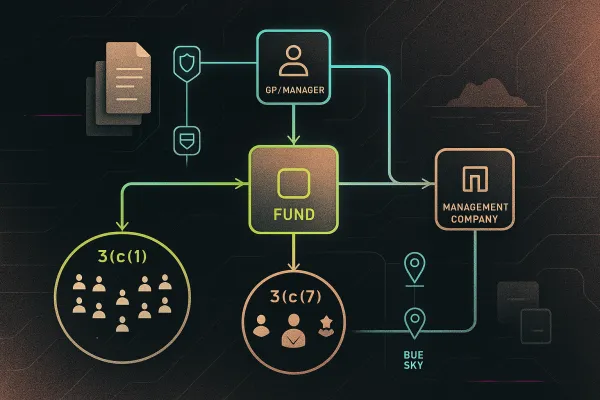
Fundraising & Financial Regulation Launching a Hedge Fund: A Founder-Friendly Legal Roadmap Launching a hedge fund means getting the legal structure, exemptions, and offering documents right before taking outside capital. This roadmap covers entity design, 3(c)(1) vs. 3(c)(7) decisions, Reg D pathways, PPM drafting, and compliance workflows.
Fundraising & Financial Regulation Why “Simple” Angel Deals Break Later—and How Legal Counsel Prevents It Angel rounds closed on handshake terms often unravel during fundraising. Misaligned caps, undocumented side letters, and informal promises create expensive cleanup. This guide shows how early legal strategy keeps deals clean and Series A diligence smooth.
Startup Central How to Manage a Startup Cap Table (and When Legal Counsel Is Essential) A clean cap table speeds fundraising and prevents equity disputes. This guide walks through authorized vs. outstanding shares, option pool sizing, dilution scenarios, and the governance steps that keep equity records investor-ready.
Startup Central Legal Support for First-Time Founders in Their 30s & 40s: The Checklist That Actually Protects You Starting a company later in your career means different stakes. This legal checklist covers entity formation, co-founder agreements, IP assignment, employment considerations, and early compliance steps for founders who cannot afford to get the basics wrong.
Startup Central Startup Legal Playbook: Early Legal Moves to Protect IP, Data, and Brand for Sustainable Growth Startups that treat legal infrastructure as an afterthought pay for it later. This playbook covers securing intellectual property, implementing data-privacy basics, protecting your brand, and building enforceable contracts from the start.
Startup Central 4-Year Vesting with a 1-Year Cliff: A Practical Guide for Startup Founders and Early Employees Four-year vesting with a one-year cliff is the standard equity structure for founders, employees, and advisors. This guide explains how schedules work, what triggers acceleration, and how to negotiate cliff length and exercise windows.
Startup Central Know What a “Healthy” Cap Table Actually Looks Like Investors evaluate cap-table health before writing checks. A healthy table shows balanced founder ownership, a properly sized option pool, and clean records. This guide defines what good looks like at each stage and flags common red flags.
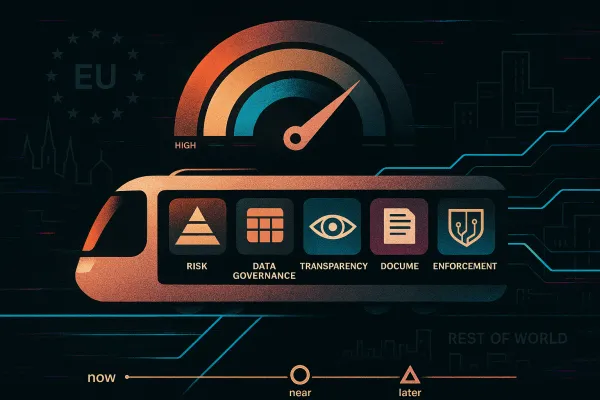
AI Law The EU AI Act Compliance Guide for Startups and AI Companies The EU AI Act introduces risk-based regulation for any startup serving EU users or enterprise customers. This guide covers risk tiers, prohibited practices, documentation requirements, and a timeline for building compliance into your product cycle.
Business Formation & Corporate Governance What Is an Employer Identification Number (EIN)? A Practical Guide for Startups and Small Businesses An Employer Identification Number is the federal tax ID every startup needs for bank accounts, tax filings, hiring, and vendor onboarding. This guide explains who needs one, how to apply with the IRS, and the formation steps it connects to.
Privacy Law COPPA Compliance in 2025: A Practical Guide for Tech, EdTech, and Kids’ Apps The 2025 COPPA final rule tightens requirements for apps and platforms collecting data from children under 13. This guide covers what changed, parental consent mechanics, data retention limits, and the enforcement risks for non-compliance.
Business Formation & Corporate Governance Can I Form an LLC in a State I Don’t Live In? (Yes — Here’s How) Founders often consider forming an LLC in Delaware, Wyoming, or Nevada regardless of where they live. This guide explains when out-of-state formation makes sense, foreign qualification requirements, real cost differences, and how to pick the right jurisdiction.
Privacy Law Why Annual Privacy Policy Updates Are Now a Board-Level Issue (Practical Guide) State privacy laws change faster than most startups update their policies. Annual reviews now carry enforcement risk, and boards treat them as governance obligations. This guide covers what triggers an update and why leadership should own the process.
AI Law Why AI and Web3 Demand a Different Kind of Lawyer (Practical Guide) Standard business lawyers often lack the technical fluency for AI and Web3 work. Token structures, training-data IP, and algorithmic accountability require counsel who can bridge law and technology. This guide explains what tech-fluent legal support looks like.
Guides, Reviews & Commentary What Are Presumed Damages? Meaning, Examples, and How to Respond Presumed damages allow courts to award compensation without requiring proof of exact financial losses. They arise in defamation, privacy violations, and statutory claims. This guide explains when they apply and what startups should know about litigation exposure.
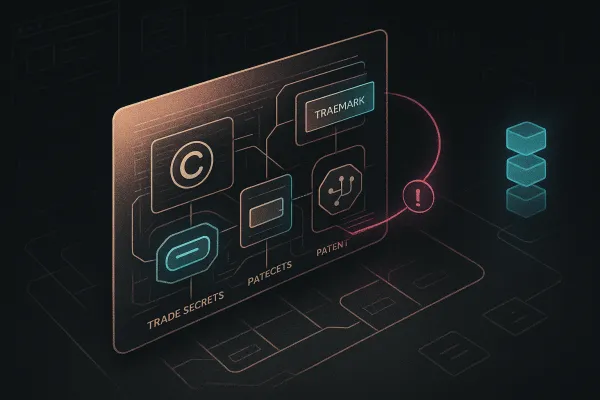
Intellectual Property & Branding Intellectual Property Violations Explained: How to Identify, Respond, and Enforce Your IP IP violations range from trademark infringement to trade-secret misappropriation and copyright claims. Each carries different enforcement mechanisms and damages. This guide explains the major categories and the legal steps startups should take to protect their IP.
Startup Central Indemnification Clauses Explained: How Indemnity Works in Contracts (With Examples) Indemnification clauses determine who pays when something goes wrong under a contract. This guide breaks down how indemnity works, the difference between mutual and one-way terms, common negotiation points, and red flags to catch before signing.
Tech Law DAO Legal Structure Explained: Liability, Tokens, and DAO LLCs A DAO without a legal entity exposes every member to personal liability. DAO LLCs and other wrappers give decentralized organizations the ability to hold assets and enter contracts. This guide covers formation options, governance, and regulatory considerations.
AI Law Start With a Human-First AI Strategy for Dealmaking AI tools compress M&A timelines by automating document review and flagging contract risks. But negotiation, relationships, and strategic decisions still need human judgment. This guide presents a framework for integrating AI into your deal process.
Startup Central Accounting Service Agreements: A Practical Checklist for Startups and Small Businesses Hiring an accounting firm without a clear service agreement leads to scope disputes, missed deadlines, and unclear liability. This checklist covers essential terms: scope, deliverable timelines, data access, fee structures, liability caps, and termination rights.