AI Law Illinois’ 2026 AI Hiring Law and the New Federal Order: A Practical Dual-Track Compliance Playbook for Employers and Vendors If your recruiting stack uses resume scoring, chat-based screening, or video interview analysis, Illinois' next wave of AI hiring rules should be on your compliance calendar. This playbook covers dual-track obligations for employers and HR-tech vendors.
Fundraising & Financial Regulation How to Structure a Friends and Family Investment Agreement: A Practical Legal Checklist for Startup Founders Friends and family rounds need real agreements, not handshake deals. This checklist covers choosing between equity, notes, and SAFEs, documenting risk disclosures, meeting securities requirements, and tracking cap table impact so early investors don't become a diligence problem.
Startup Central When and How to Build an Effective Startup Advisory Board An advisory board works when it solves a specific constraint, not when it fills a vanity list. This guide covers when to add advisors, typical equity ranges, agreement structure with vesting and IP terms, and governance practices for productive relationships.
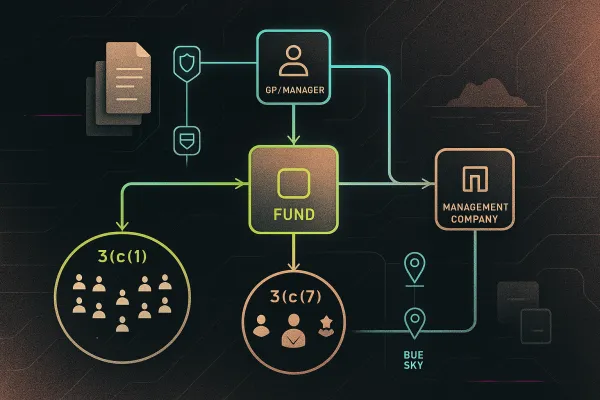
Fundraising & Financial Regulation Launching a Hedge Fund: A Founder-Friendly Legal Roadmap Launching a hedge fund means getting the legal structure, exemptions, and offering documents right before taking outside capital. This roadmap covers entity design, 3(c)(1) vs. 3(c)(7) decisions, Reg D pathways, PPM drafting, and compliance workflows.
Fundraising & Financial Regulation Why “Simple” Angel Deals Break Later—and How Legal Counsel Prevents It Angel rounds closed on handshake terms often unravel during fundraising. Misaligned caps, undocumented side letters, and informal promises create expensive cleanup. This guide shows how early legal strategy keeps deals clean and Series A diligence smooth.
Startup Central Legal Support for First-Time Founders in Their 30s & 40s: The Checklist That Actually Protects You Starting a company later in your career means different stakes. This legal checklist covers entity formation, co-founder agreements, IP assignment, employment considerations, and early compliance steps for founders who cannot afford to get the basics wrong.
Startup Central Startup Legal Playbook: Early Legal Moves to Protect IP, Data, and Brand for Sustainable Growth Startups that treat legal infrastructure as an afterthought pay for it later. This playbook covers securing intellectual property, implementing data-privacy basics, protecting your brand, and building enforceable contracts from the start.
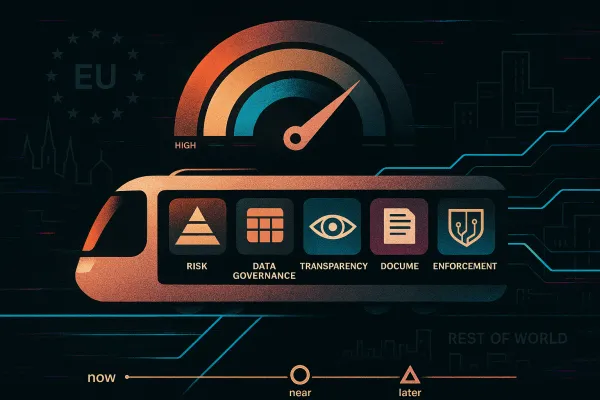
AI Law The EU AI Act Compliance Guide for Startups and AI Companies The EU AI Act introduces risk-based regulation for any startup serving EU users or enterprise customers. This guide covers risk tiers, prohibited practices, documentation requirements, and a timeline for building compliance into your product cycle.
Business Formation & Corporate Governance What Is an Employer Identification Number (EIN)? A Practical Guide for Startups and Small Businesses An Employer Identification Number is the federal tax ID every startup needs for bank accounts, tax filings, hiring, and vendor onboarding. This guide explains who needs one, how to apply with the IRS, and the formation steps it connects to.
Privacy Law COPPA Compliance in 2025: A Practical Guide for Tech, EdTech, and Kids’ Apps The 2025 COPPA final rule tightens requirements for apps and platforms collecting data from children under 13. This guide covers what changed, parental consent mechanics, data retention limits, and the enforcement risks for non-compliance.
Privacy Law Why Annual Privacy Policy Updates Are Now a Board-Level Issue (Practical Guide) State privacy laws change faster than most startups update their policies. Annual reviews now carry enforcement risk, and boards treat them as governance obligations. This guide covers what triggers an update and why leadership should own the process.
AI Law Why AI and Web3 Demand a Different Kind of Lawyer (Practical Guide) Standard business lawyers often lack the technical fluency for AI and Web3 work. Token structures, training-data IP, and algorithmic accountability require counsel who can bridge law and technology. This guide explains what tech-fluent legal support looks like.
Guides, Reviews & Commentary What Are Presumed Damages? Meaning, Examples, and How to Respond Presumed damages allow courts to award compensation without requiring proof of exact financial losses. They arise in defamation, privacy violations, and statutory claims. This guide explains when they apply and what startups should know about litigation exposure.
Startup Central Indemnification Clauses Explained: How Indemnity Works in Contracts (With Examples) Indemnification clauses determine who pays when something goes wrong under a contract. This guide breaks down how indemnity works, the difference between mutual and one-way terms, common negotiation points, and red flags to catch before signing.
Tech Law DAO Legal Structure Explained: Liability, Tokens, and DAO LLCs A DAO without a legal entity exposes every member to personal liability. DAO LLCs and other wrappers give decentralized organizations the ability to hold assets and enter contracts. This guide covers formation options, governance, and regulatory considerations.
AI Law Start With a Human-First AI Strategy for Dealmaking AI tools compress M&A timelines by automating document review and flagging contract risks. But negotiation, relationships, and strategic decisions still need human judgment. This guide presents a framework for integrating AI into your deal process.
Startup Central Accounting Service Agreements: A Practical Checklist for Startups and Small Businesses Hiring an accounting firm without a clear service agreement leads to scope disputes, missed deadlines, and unclear liability. This checklist covers essential terms: scope, deliverable timelines, data access, fee structures, liability caps, and termination rights.
Legal Tech & Automation Legal Strategy, Quantified: Using Data and AI to Scale Risk Management Legal risk does not have to be a black box. By applying data and AI to contract analysis, compliance tracking, and litigation exposure, startups can quantify risk and allocate resources with the same rigor they apply to engineering or sales.
Intellectual Property & Branding Licensing Your Characters to Generative AI Platforms: A Legal & Governance Checklist for Studios and AI Companies Generative AI platforms want to use characters and likenesses in ways traditional licensing never anticipated. Rights holders need contracts addressing training-data use, output ownership, quality control, and takedown rights. This checklist covers the key terms.
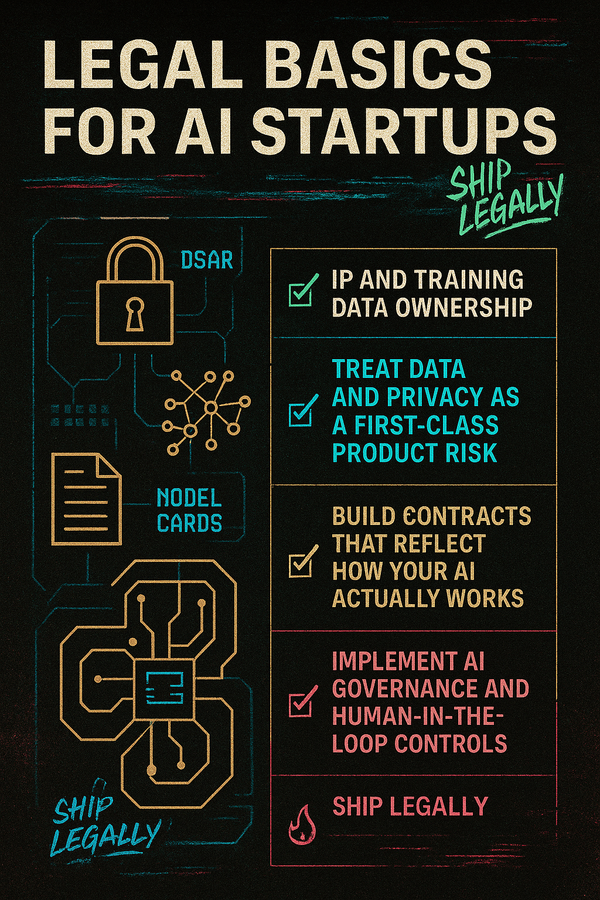
AI Law The Non-Negotiable Legal Basics for AI Startups AI startups that skip foundational legal work face IP disputes, regulatory enforcement, and deal friction. This guide covers training-data rights, model ownership, privacy compliance, vendor contract terms, and lightweight governance frameworks every AI company needs.
Digital Presence & Online Policies Why FTC Endorsement Rules Matter for Startups The FTC enforces endorsement and testimonial rules against companies of all sizes. Startups using influencer marketing or affiliate programs must comply with disclosure requirements or face fines. This guide covers what the rules require and how to build compliant practices.
Guides, Reviews & Commentary Why Startups Need Legal Expertise for SLAs: Drafting, Review, and Negotiation Checklist Accepting vendor SLA boilerplate as standard leaves startups without recourse during outages. Legal review converts vague targets into enforceable SLOs and secures meaningful remedies and data exit rights. Use this checklist to prioritize the clauses that matter.
Fundraising & Financial Regulation How to Lock Down a Fundraising Consultant’s Scope: The Contract Language That Protects Your Cash and Cap Table Paying a fundraising consultant without precise scope language invites disputes over fees, credit for introductions, and potential broker-dealer liability. This guide shows how to convert promises into measurable contract obligations and limit authority.
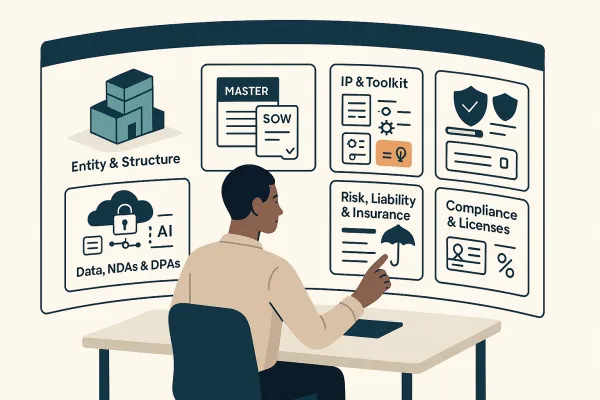
Business Formation & Corporate Governance The Consultant’s Legal Playbook: Four Pillars to Protect Your Business, IP, and Income Operating as a consultant without legal foundations creates predictable problems: personal liability, unpaid invoices, lost IP, and scope disputes. This playbook covers entity formation, MSA design, IP carve-outs, and risk management through insurance and contracts.
Startup Central The Consultant’s Legal Checklist: Formation, Contracts, IP & Risk Management (With Service Agreement Tips) Many consultants launch with DIY documents and face disputes over scope, fees, and IP ownership. This checklist provides steps for entity formation, MSA and SOW design, IP carve-outs, data compliance, liability caps, and insurance alignment.