Legal Tech & Automation Open-Source AI Adoption for Texas Law Firms: Security, Licensing & Governance Best Practices Open-source AI can reduce vendor lock-in, but only with disciplined governance. This guide covers threat models, build vs. buy decisions, scraping rules, and a 30-day pilot plan.
Lawyer in the Loop Audit-Ready AI Governance for Law Firms: Risk Tiers, Lawyer-in-the-Loop Controls & Compliance Evidence Treat AI governance as audit evidence, not aspiration. This guide shows how to tier workflows by risk, build lawyer-in-the-loop gates that scale, and produce the logs, provenance, and assurance packets clients and co-counsel actually ask for.
Tech Law SaaS Terms of Service and Service Agreements: What Every Startup Needs to Know A practical guide to SaaS terms of service and master service agreements — from clickwrap ToS for self-serve users to negotiated MSAs for enterprise deals, covering liability limits, data privacy, and SLAs clause by clause.
Technology, AI, & Digital Innovation How AI-Specialist Law Firms Are Transforming Legal Services (And What That Means for Your Company) AI and emerging technologies are changing how products get built — and how legal risk shows up.
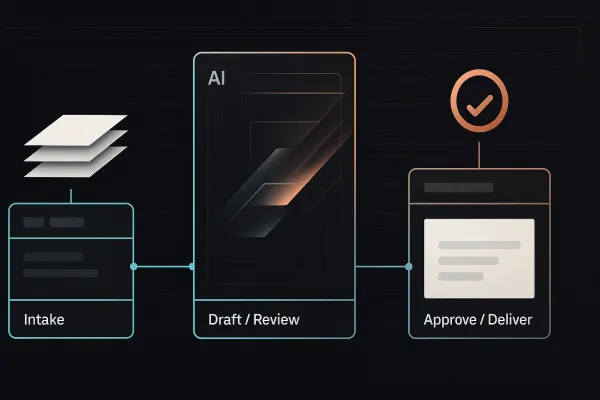
Legal Tech & Automation What GPT-4 Really Changes for Legal Work (and What It Doesn’t) GPT-4 and workflow automation aren't “future of law” demos anymore — they're quietly reshaping daily legal delivery: intake, first-draft documents,…
Policy, Compliance & Cybersecurity AI Vendor Selection for Law Firms: A Workflow + Checklist for Sanctions, CFIUS, and Cross‑Border Data Controls National-security-aware AI vendor selection for law firms. Includes a 12-point checklist, scoring rubric, and lane-based workflow design for sanctions and CFIUS compliance.
Legal Tech & Automation Building with LLMs in Legal Tech: Current Uses, Hard Limits, and What’s Coming Next You're the GC (or a practice group partner) and three vendors in one week pitch "AI-powered" contract review, "AI research," and "AI matter management"…
Fundraising & Financial Regulation Why 'Set-and-Forget' Cap Table Tools Put Startups at Risk A startup keeps its equity in a cap table platform, assumes everything is "clean," and then — during a priced round or acquisition diligence —…
AI Law Two AI Developments Texas Lawyers Should Know About This Week Two things crossed my desk this week that signal where AI adoption is headed for Texas attorneys — one from the State Bar, one from a researcher trying to measure it.
Privacy Law OpenAI Data Practices & Confidentiality Risk: A Lawyer's Checklist for Cloud Access Blocks Legal teams are increasingly asked to “sign off” on LLM tools when key evidence is unavailable: a trust center won’t load, SOC reports are gated, or…
Startup Central Carta and Cap Table Software: Why You Still Need Legal Counsel Table of contents Loading the Elevenlabs Text to Speech AudioNative Player... Why Your Cap Table Tool Still Needs a Lawyer Cap table platforms (and even well-built spreadsheets) are now standard operating equipment for startups. They’re great at storing ownership data, producing investor-ready exports, and modeling dilution. But
Startup Central Vendor Contracts for Startups: A Practical Legal Checklist Vendor contracts govern every outside relationship your startup depends on. This checklist covers scope of work, liability caps, IP ownership, data security, termination rights, and the red flags founders should catch before signing any vendor agreement.
AI Law AI for Law Practice: What Every Lawyer Must Know The gap between AI's promise and AI's performance in legal practice comes down to understanding what AI actually is, what it can reliably do, and how professional responsibility rules constrain its use.
Startup Central Legal Data Science for Startups: Using AI, Analytics, and Lawyer-in-the-Loop Workflows to Scale Legal Operations Data science is changing how startups manage legal work. This guide covers AI-assisted contract review, analytics-driven risk assessment, and lawyer-in-the-loop workflows that improve speed without sacrificing judgment. Practical patterns for lean legal teams.
Legal Tech & Automation Start With Margin Pressure, Not Shiny AI Tools Law firms are being squeezed from both sides: clients pushing fixed fees and rising costs of experienced lawyers. The answer isn't more AI tools—it's identifying which margin pressures AI can actually relieve, then building workflows around those specific pain points.
Startup Central How Data Science Is Transforming Legal Strategy for Startups and Growing Businesses (Practical Guide) Data-driven legal strategy helps startups reduce cost and manage risk at scale. This guide covers how analytics inform contract negotiation, litigation risk, and compliance monitoring. Practical workflows for integrating data science into legal operations.
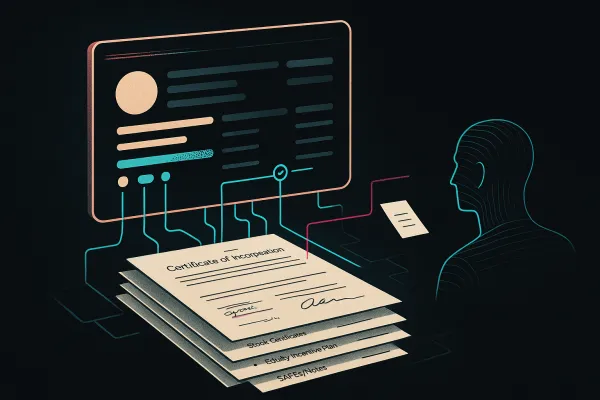
Startup Central Why Your Digital Cap Table Needs More Than Software Cap table software organizes equity data but won't catch missing approvals, mis-modeled SAFEs, or document mismatches. This guide explains where platforms stop and legal judgment begins, and how to keep your cap table defensible through diligence.
Legal Tech & Automation TL;DR: Measurable AI Efficiency Gains for Law Firms For managing partners, GCs, and legal-ops leaders who want the headline numbers: documented AI efficiency wins across document review, contract analysis, research, and intake—with benchmarks you can act on this quarter.
Regulatory Compliance & Legal Risk Management Lawyer-Coders for Digital Health: AI Compliance, Telehealth Fraud Prevention, and Safe Automation Digital health startups face overlapping rules from FDA, HIPAA, state telehealth laws, and the FTC. Lawyer-coders bridge legal compliance and technical implementation, helping teams automate clinical workflows, manage AI risk, and prevent telehealth fraud.
Startup Central Why Gmail OAuth 2.0 Security and User Control Matter OAuth 2.0 governs how third-party apps access Gmail data, and getting it wrong creates security and compliance risk. This guide covers token scoping, user consent flows, access controls, and the steps startups need when building integrations that touch email data.
Startup Central Privacy & Security by Design for Texas AI Startups: GDPR, FTC & EU AI Act Compliance AI startups face privacy requirements from the GDPR, FTC, and EU AI Act simultaneously. This guide covers how to build compliance into product architecture from day one, including data minimization, risk assessments, and documentation that satisfies multiple regulators.
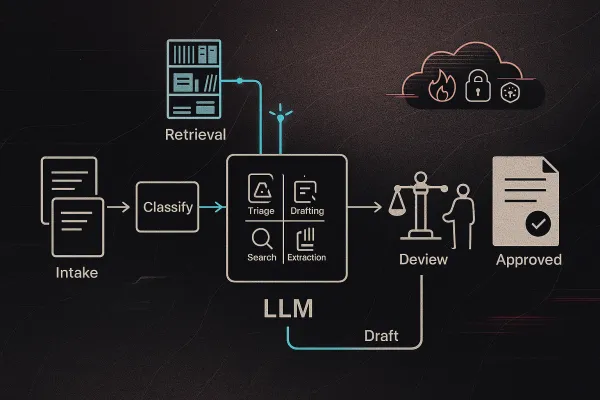
Legal Tech & Automation API‑First, Compliant AI Workflows for Monitoring Government & Regulatory Documents (With Audit‑Ready Provenance) Legal teams increasingly rely on AI to summarize and alert on agency rules, guidance, and enforcement actions. This guide covers how to build audit-ready pipelines with traceable provenance—so the workflow itself can withstand scrutiny.
Legal Tech & Automation Turning AI Hype into Profitable Legal Workflows AI is everywhere in legal tech, but most teams still run matters through the same manual chain. This piece maps out where AI actually generates ROI—and why most pilot programs fail to survive past the demo stage.
Concepts in Tech for Lawyers How OAuth 2.0 Actually Secures Gmail Integrations (and Where Things Still Go Wrong) Table of contents Loading the Elevenlabs Text to Speech AudioNative Player... Connecting Gmail to CRMs, automation platforms, or AI assistants shouldn’t require users to hand over a password — or leave you storing one. OAuth 2.0 exists to let a third-party app request limited, revocable access to Gmail
Startup Central Integrating Legal Review into Carta: A Practical Guide to Accurate, Dispute‑Proof Startup Equity Carta tracks equity data, but legal review ensures it matches signed documents and board approvals. This guide covers how to integrate counsel into your Carta workflow at setup, grant issuance, financing, and audit checkpoints for defensible records.