Legal Tech & Automation How AI Actually Makes Law Firms More Efficient (With Real-World-Style Case Studies) In a law firm, efficiency isn’t “doing work faster” at all costs. It’s shorter cycle time (turnaround), healthier margins (less non-billable drag),…
Startup Central Digital Cap Table Management: A Legal and Operations Guide A capitalization table (or “cap table”) is the record of who owns what in your startup — founders, employees, advisors, and investors — across common…
Legal Tech & Automation LLM Integration for Law Firms: A Practical Implementation Guide Large language models (LLMs) are machine-learning systems trained on vast text corpora to predict and generate language.
Startup Central Startup Cap Table Guide: Authorized Shares, Dilution, and Investor-Ready Equity Your cap table is the ownership source of truth behind almost every high-stakes moment in a startup: bringing on a cofounder, granting employee…
Legal Tech & Automation Optimizing Internal Workflows in Early-Stage Law Firms (Without Drowning in Tools) Internal workflows are the repeatable, behind-the-scenes sequences that move work from "new inquiry" to "closed matter" (intake, conflicts, drafting,…
AI Law AI for Law Practice: Professional Responsibility, Ethics & Compliance Guide for Lawyers The stakes are real. Tracked AI hallucination cases now number nearly 950 , with courts imposing sanctions ranging from fines to default judgment…
Legal Tech & Automation Building Lean Law Firm Operations: A Practical Guide TL;DR: Early-stage firms don't burn out because they lack grit — they burn out because everything depends on memory, heroics, and context-switching.
Fundraising & Financial Regulation Capitalization Table Templates for Startups: Google Sheets, Carta, and When Legal Review Matters A cap table is a legal record, not just a spreadsheet — and errors compound fast. This guide covers what belongs in the template, when Google Sheets works and when Carta becomes necessary, and the specific moments when legal review protects the round.
Business Formation & Corporate Governance Startup Advisor Agreements and Advisory Boards: Equity, Compensation, and Getting It Right Advisory board relationships need documented agreements covering equity compensation, vesting, IP assignment, and confidentiality — before the advice starts flowing. This guide covers standard structures and common pitfalls.
Business Formation & Corporate Governance Founders Stock Purchase Agreements and Vesting Schedules: The Startup Founder's Complete Guide A founders stock purchase agreement and vesting schedule protect the company and co-founders from day one. This guide covers standard four-year vesting, cliff mechanics, 83(b) elections, and repurchase rights.
Business Formation & Corporate Governance Mutual NDAs for Startups: How They Work, What to Include, and When to Get Legal Help A mutual NDA protects both parties' confidential information during early business discussions. This guide covers when to use one, what terms matter, and common mistakes that leave startups exposed.
Fundraising & Financial Regulation Valuation Caps Explained: How They Work in SAFEs, Convertible Notes, and Startup Fundraising How valuation caps determine your startup's equity split at conversion — with worked examples for SAFEs, the interplay between caps and discount rates, 409A considerations, and a framework for setting a defensible cap.
Startup Central 4-Year Vesting with a 1-Year Cliff: Mechanics, Benefits, and Legal Essentials for Startup Equity Equity is often the most valuable (and most misunderstood) part of startup compensation.
Legal Tech & Automation What GPT-4 Really Changes for Legal Work (and What It Doesn’t) GPT-4 and workflow automation aren't “future of law” demos anymore — they're quietly reshaping daily legal delivery: intake, first-draft documents,…
Startup Central Carta and Cap Table Software: Why You Still Need Legal Counsel Table of contents Loading the Elevenlabs Text to Speech AudioNative Player... Why Your Cap Table Tool Still Needs a Lawyer Cap table platforms (and even well-built spreadsheets) are now standard operating equipment for startups. They’re great at storing ownership data, producing investor-ready exports, and modeling dilution. But
Trademark Understanding How Long a US Federal Trademark Can Last Table of contents Loading the Elevenlabs Text to Speech AudioNative Player... Why trademark lifespan and renewals matter For many startups, a U.S. federal trademark registration is a real balance-sheet asset: it supports fundraising diligence, marketplace takedowns, and enforcement against lookalike brands. But registration is only the starting line.
Startup Central What a Cap Table Is and How It Actually Works in Practice Table of contents Loading the Elevenlabs Text to Speech AudioNative Player... Why cap tables matter more than most founders think A cap table (capitalization table) is a living spreadsheet or system that shows who owns what in your company, on what terms, both today and on a fully diluted basis.
AI Law AI for Law Practice: What Every Lawyer Must Know The gap between AI's promise and AI's performance in legal practice comes down to understanding what AI actually is, what it can reliably do, and how professional responsibility rules constrain its use.
Legal Tech & Automation Start With Margin Pressure, Not Shiny AI Tools Law firms are being squeezed from both sides: clients pushing fixed fees and rising costs of experienced lawyers. The answer isn't more AI tools—it's identifying which margin pressures AI can actually relieve, then building workflows around those specific pain points.
Startup Central Why Your Digital Cap Table Needs More Than Software Cap table software organizes equity data but won't catch missing approvals, mis-modeled SAFEs, or document mismatches. This guide explains where platforms stop and legal judgment begins, and how to keep your cap table defensible through diligence.
Legal Tech & Automation TL;DR: Measurable AI Efficiency Gains for Law Firms For managing partners, GCs, and legal-ops leaders who want the headline numbers: documented AI efficiency wins across document review, contract analysis, research, and intake—with benchmarks you can act on this quarter.
Startup Central Why Gmail OAuth 2.0 Security and User Control Matter OAuth 2.0 governs how third-party apps access Gmail data, and getting it wrong creates security and compliance risk. This guide covers token scoping, user consent flows, access controls, and the steps startups need when building integrations that touch email data.
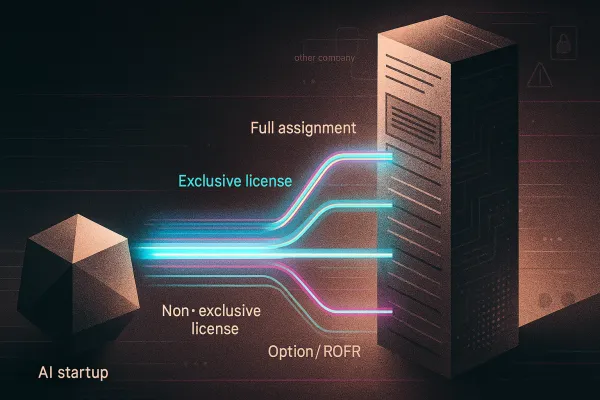
Intellectual Property & Branding How to Buy a Patent: Due Diligence, Valuation, and Assignment Guide for Startups Buying a patent requires more than agreeing on a price. This guide covers freedom-to-operate analysis, prior art review, valuation methods, assignment documentation, and post-acquisition integration for founders evaluating patent acquisitions.
Legal Tech & Automation Turning AI Hype into Profitable Legal Workflows AI is everywhere in legal tech, but most teams still run matters through the same manual chain. This piece maps out where AI actually generates ROI—and why most pilot programs fail to survive past the demo stage.
Startup Central Who This Guide Is For and Why Cap Tables Deserve Your Attention Cap tables affect every stakeholder: founders tracking ownership, employees valuing equity grants, and investors modeling returns. This guide explains why accuracy matters at every stage and outlines the legal and operational requirements for keeping records clean.