Intellectual Property & Branding The OpenAI Copyright MDL Is a Wake‑Up Call: A Practical Checklist to Reduce AI Training‑Data and Output Risk Table of contents Loading the Elevenlabs Text to Speech AudioNative Player... Practical guide / checklist: This is a practical, operations-first checklist for teams building with (or buying) generative AI. The consolidation of multiple copyright suits into the In re OpenAI, Inc., Copyright Infringement Litigation MDL (MDL No. 3143) is a
AI Law BitTorrent & AI Training Data: Copyright Risk and Audit-Ready Pipelines Table of contents Loading the Elevenlabs Text to Speech AudioNative Player... This guide is for AI startup founders, product leaders, in-house counsel, and tech-forward lawyers who are building models with scraped, third-party, or shadow-library-adjacent corpora. The practical problem isn’t only what’s in the
Startup Central Software Copyright Registration (Developer-First): When to Register and How to Protect Your Code Software copyright ownership questions are showing up earlier in startup due diligence, in hiring negotiations, and in client contracts — this post maps the legal framework that governs who actually owns the code your developers write.
Startup Central Why Legal Strategy Can Make or Break Your AI Startup AI startups move fast — iterating on models, fine-tuning on new datasets, and shipping features weekly.
Startup Central 4-Year Vesting with a 1-Year Cliff: Mechanics, Benefits, and Legal Essentials for Startup Equity Equity is often the most valuable (and most misunderstood) part of startup compensation.
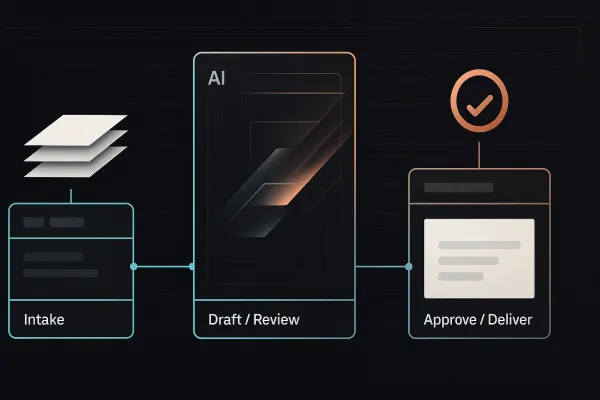
Legal Tech & Automation What GPT-4 Really Changes for Legal Work (and What It Doesn’t) GPT-4 and workflow automation aren't “future of law” demos anymore — they're quietly reshaping daily legal delivery: intake, first-draft documents,…
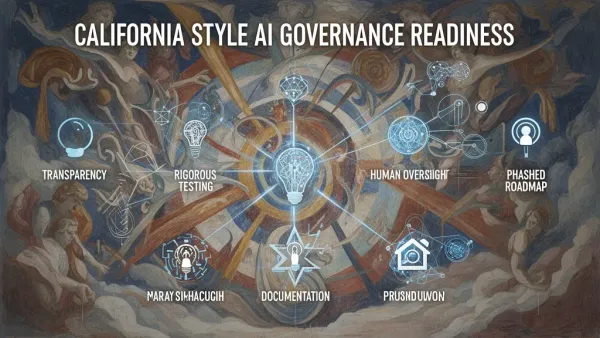
AI Law How to Get California-Ready for 2026 AI Laws California's 2026-era AI requirements are poised to become the de facto template for US state-level AI governance — especially for consumer-facing AI…
Startup Central FTC Endorsement Compliance for AI Fake Reviews (16 CFR Part 255): Startup Checklist Startups are leaning harder than ever on social proof — creators, affiliates, UGC, and review flows — while the FTC is simultaneously tightening…
Trademark Why Trademark Lifespan and Renewal Matter (and Why Busy Operators Get Caught) If you're a US-based founder, brand lead, or solo operator, your trademark registration isn't a “set it and forget it” asset.
Regulatory Compliance & Legal Risk Management Featured Supreme Court Agency Shifts: Enforcement Risk & Dispute Strategy for Austin Startups Practical guide / checklist: This is a founder- and GC-friendly playbook for navigating a regulatory inquiry when the legal ground is shifting under…
Startup Central Why Legal Expertise Matters for Convertible Notes and Cap Tables Convertible notes let founders raise money fast, defer valuation, and keep momentum — often with only a rough idea of how the paper will convert later.
Fundraising & Financial Regulation Why 'Set-and-Forget' Cap Table Tools Put Startups at Risk A startup keeps its equity in a cap table platform, assumes everything is "clean," and then — during a priced round or acquisition diligence —…
Startup Central Cap Table Management for Startups: Setup, Maintenance, and Legal Best Practices A cap table (capitalization table) is the simplest way to answer the questions that matter most in a startup: who owns the company , who controls key…
Startup Central Why Legal Expertise Matters in Startup Cap Table Management A startup cap table isn't "just a spreadsheet." It's the living record of who owns what and who controls what — built from your charter, board…
Startup Central Start With the Company You Actually Want to Fund — Formation and Founder Alignment First-time founders move fast: you're recruiting, building, pitching, and taking meetings — often before you have much cash to spend on legal.
Fundraising & Financial Regulation Leveraging Convertible Notes for Startup Financing (With the Right Legal Help) Early-stage companies often need capital before they're ready for a fully priced equity round.
Startup Central Who This FTC Endorsement Guide Is For (and Why It Matters) Influencer and affiliate marketing has become a default growth lever for startups" from micro-creators on TikTok to founder-led LinkedIn partnerships…
Startup Central FTC Endorsement Guidelines for Startups: Influencer Marketing, Reviews, and Compliance The FTC’s Endorsement Guides (16 CFR Part 255) are the playbook for using testimonials, influencers, affiliates, and reviews without misleading customers.
Startup Central Cap Table Discipline: A Practical Guide for Startup Founders and In-House Counsel A capitalization table (or "cap table") is the record of who owns what in your company — across shares, equity awards, and convertibles — and how that…
Startup Central Why Cap Tables Decide Who Really Owns Your Company A capitalization table (or cap table ) is your company's ownership ledger: who owns what (common stock, preferred stock, options, SAFEs/notes), how…
Intellectual Property & Branding Software Copyright Registration: When and How to Protect Your Code (Developer-First Checklist) Table of contents Loading the Elevenlabs Text to Speech AudioNative Player... Your main branch is production — and when a disputed commit shows up, it turns into “legal debt” that can block releases, rollbacks, fundraising, and M&A diligence. This guide is for CTOs, founders, senior engineers, and startup counsel
Startup Central Carta and Cap Table Software: Why You Still Need Legal Counsel Table of contents Loading the Elevenlabs Text to Speech AudioNative Player... Why Your Cap Table Tool Still Needs a Lawyer Cap table platforms (and even well-built spreadsheets) are now standard operating equipment for startups. They’re great at storing ownership data, producing investor-ready exports, and modeling dilution. But
Startup Central Why startup employment policies can’t wait until you hire HR Table of contents Loading the Elevenlabs Text to Speech AudioNative Player... Why startup employment policies can’t wait until you hire HR Early-stage startups move fast, run lean, and rely on trust. That’s exactly why many teams postpone basic employment policies — until a real issue hits: a harassment
Trademark Understanding How Long a US Federal Trademark Can Last Table of contents Loading the Elevenlabs Text to Speech AudioNative Player... Why trademark lifespan and renewals matter For many startups, a U.S. federal trademark registration is a real balance-sheet asset: it supports fundraising diligence, marketplace takedowns, and enforcement against lookalike brands. But registration is only the starting line.
Fundraising & Financial Regulation Angel Funding for Startups: A Legal Playbook for Founders Table of contents Loading the Elevenlabs Text to Speech AudioNative Player... Why legal expertise can make or break your angel round Angel funding is often the first time a startup takes meaningful outside capital — and the paper you sign now will shape every later financing, employee equity grant, and acquisition