Visual Artists The Visual Artist's AI Opt-Out Guide: What Actually Works in 2026 Three layers of defense — dataset, technical, legal — and which actually work for visual artists in 2026. Concrete steps for Spawning HIBT registration, Glaze cloaking, current AI-crawler robots.txt entries, EU TDMRep, and where DMCA still bites against AI outputs that copy your work.
Visual Artists Commission Contracts for Artists: Protecting Your IP, Preventing Scope Creep, and Getting Paid When Projects Die A commissioned painting, illustration, or photograph cannot be work-for-hire — no matter what the contract says. Here is what your commission contract needs to cover: copyright ownership, scope creep prevention, kill fees, and the payment structure that protects you when projects die.
Streamers Talent Agreements with Managers and Agencies: Leverage Points for Streamers Most streamers negotiate brand deals carefully — and sign their management agreement without a second look. That agreement controls every deal that follows. Here's what's actually in it, which clauses matter most, and how to use your leverage before you sign.
Streamers Talent Agreements with Managers and Agencies: Leverage Points for Streamers Signing with a manager or agency could double your earnings — or lock you into a deal you can't get out of. Here's what every streamer should negotiate before they sign.
Musicians Your Music Is Being Used to Train AI. Here's What You Can Actually Do About It. AI companies trained on tens of millions of recordings — including yours — without consent. Here's what the lawsuits mean, what opt-outs exist, and the steps you can take to protect your catalog now.
Musicians DIY Release Agreements: What Independent Musicians Need to Lock Down Before Distributing Most independent releases have at least one contract problem — you just never signed anything. This guide covers the collaboration agreements, split sheets, producer deals, and distribution terms every indie musician needs before uploading a single track.
Digital Presence & Online Policies Who Needs to Care About the FTC’s Endorsement Guides (and Why) The FTC's Endorsement Guides (16 C.F.R. Part 255) are the rulebook for modern word-of-mouth marketing.
Streamers The Brand Deal Contract Checklist: What Every Streamer Needs to Read Before Signing Brand deals come with contracts that most streamers sign without understanding what they're giving away. IP grants, exclusivity restrictions, and performance penalties can all limit your freedom and income long after the campaign ends.
Visual Artists How to Register a Series of Images: Single vs. Group Copyright Registration for Visual Artists Registering 750 photos individually costs up to $48,750 at standard Copyright Office rates. Group registration programs cut that to $55 — but there are eligibility rules, work caps, and a 3-month window that determine whether you keep your right to statutory damages.
Musicians Copyright Registration for Music: The Two-Work Trap and How to Actually Register a Song Most independent musicians register only the recording, leaving the composition unprotected. A practical guide to PA versus SR, combined claims, GRAM and GRUW, the three-month statutory damages window, and how to avoid the traps that void registrations.
Musicians PRO Disputes: How ASCAP, BMI, and SESAC Actually Enforce — and What Musicians Should Know ASCAP and BMI operate under federal antitrust consent decrees; SESAC and GMR don't. A practical guide to how each PRO actually enforces, what songwriters and venue operators should do when a demand letter arrives, and three traps that turn small disputes into expensive ones.
Musicians Sync Licensing Basics: What the TV-and-Film Deal Actually Says Every sync placement is two licenses (composition + master) and a stack of clauses that decide what the production can do, where, and for how long. A practical guide to deal terms, traps, performance royalties, and what to negotiate before you sign.
Visual Artists Copyright Registration for Image Series: When to File Single, Group, or Unpublished Photo Registrations Visual artists with series work face a registration choice that decides fees, statutory damages, and what evidence holds up at trial. A practical map of single, group, and unpublished registration paths — with the gating questions that pick your filing form.
Streamers DMCA Counter-Notice Playbook: How Streamers Fight Copyright Strikes (And When Not To) A copyright strike on Twitch, YouTube, TikTok, or Kick can take down your video in hours and threaten your channel. The DMCA counter-notice is your statutory tool to fight back — but it's a sworn legal document, not a support ticket. Here's how the mechanics work and when to use them.
Streamers Platform ToS Surprises: What Streamers Learn the Hard Way About Bans, Demonetization, and Appeals Platform ToS agreements let Twitch, YouTube, and TikTok ban, demonetize, or remove your content with little notice and limited recourse. Here's what the contracts actually say — and how to protect yourself.
Visual Artists NFT and Blockchain Art: What Legal Questions Survived the Bubble The NFT market collapsed. The legal questions didn't. Artists still face unsettled issues around what buyers actually own, why royalties stopped paying out, and what happens to art stored on platforms that no longer exist.
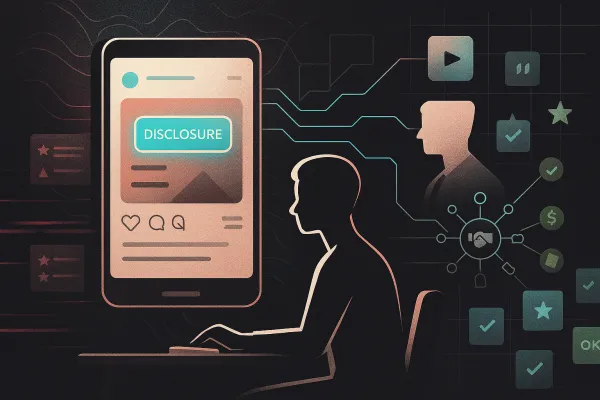
AI Law FTC's 2026 AI Disclosure Rules: What Every Creator Must Change This Quarter The FTC's 2026 enforcement priorities single out four creator-disclosure failures and add a new layer for AI-generated endorsements. Here's a plain-English breakdown plus the five changes to make in your content workflow this quarter.
Startup Central FTC Influencer & Reviews Compliance for Startups (2026): Endorsements Checklist + Consumer Reviews Rule The FTC has been turning up the heat on two areas that most startups treat as just marketing: (1) influencer/affiliate endorsements and (2) consumer reviews.
Startup Central Who This FTC Endorsement Guide Is For (and Why It Matters) Influencer and affiliate marketing has become a default growth lever for startups" from micro-creators on TikTok to founder-led LinkedIn partnerships…
Startup Central FTC Endorsement Guidelines for Startups: Influencer Marketing, Reviews, and Compliance The FTC’s Endorsement Guides (16 CFR Part 255) are the playbook for using testimonials, influencers, affiliates, and reviews without misleading customers.
Startup Central Catering Contracts for Texas Startups: FTC Compliance, Reviews & Influencer Disclosures FTC endorsement rules apply to startups of every size. This guide covers disclosure requirements for customer reviews, influencer partnerships, and social media marketing. Learn what triggers scrutiny, how to draft compliant agreements, and the penalties for violations.
Digital Presence & Online Policies FTC Endorsement Rules: What Every Startup Must Know The FTC holds startups to the same endorsement standards as major brands. This guide covers required disclosures for paid reviews, influencer deals, and employee testimonials. Learn how to structure compliant campaigns and draft enforceable influencer agreements.
Digital Presence & Online Policies Why FTC Endorsement Rules Matter for Startups The FTC enforces endorsement and testimonial rules against companies of all sizes. Startups using influencer marketing or affiliate programs must comply with disclosure requirements or face fines. This guide covers what the rules require and how to build compliant practices.
Startup Central Navigating Entertainment Law in Austin: How Local Attorneys Empower Startups and Businesses Austin's entertainment industry generates $1.8 billion annually from live music alone. For startups in music, film, and digital media, local entertainment lawyers provide IP protection, contract negotiation, licensing, and dispute resolution for the creative economy.
Startup Central How Recording Artists Don’t Pay Advances Back to the Label Record label advances are non-returnable, but artists earn no royalties until the advance recoups from sales. This guide covers royalty calculations, the recoupment process, cross-collateralization, unrecouped balance implications, sunset clauses, audit rights, and negotiation strategies.