Fundraising & Financial Regulation Understanding Convertible Note Caps for Startups: A Legal Perspective on Protecting Investors and Founders A valuation cap sets the maximum conversion price for a convertible note, protecting early investors from excessive dilution. Setting the cap too low risks deterring future investors. Legal counsel helps negotiate balanced caps that reward early risk while preserving founder equity.
Business Formation & Corporate Governance Establishing Control and Organization for Startups: How Legal Guidance Can Empower Your Business Startups with well-defined governance grow up to three times faster than less-organized peers. Legal counsel helps establish clear roles, draft bylaws and operating agreements, and build compliance frameworks that support sustainable scaling and attract investor confidence.
Startup Central Navigating Cold Spell Ventures: How Startups and Businesses Can Leverage Legal Expertise When venture capital slows, startups face tighter funding and increased caution from investors. Legal counsel becomes a strategic asset for renegotiating contracts, protecting IP, managing compliance, and restructuring operations to maintain stability until conditions improve.
Business Formation & Corporate Governance Business Dispute Lawyer in Austin, TX: Essential Legal Strategies for Startups and Businesses Business disputes over contracts, partnerships, or IP can derail Austin startups. Mediation resolves 86% of commercial disputes and cuts costs by up to 50%. Engaging a dispute lawyer early preserves operations, protects reputation, and maintains investor confidence.
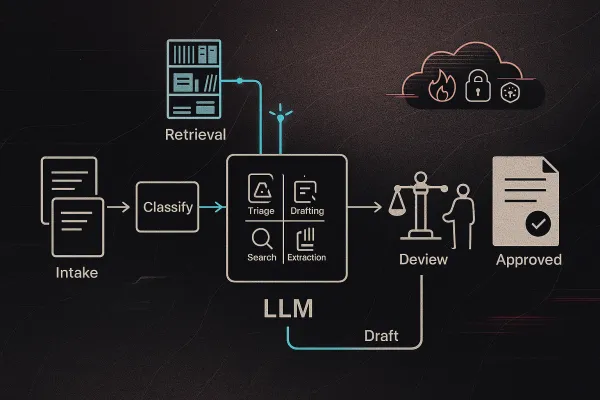
AI Law Leveraging AI in Law: Empowering Startups and Businesses with Legal Expertise AI is reshaping how startups handle legal work, from contract review to compliance tracking. But algorithms alone cannot replace strategic counsel. This guide shows how combining AI efficiency with experienced attorneys delivers faster results, lower costs, and better outcomes.
Business Formation & Corporate Governance Mastering Business Control: How Legal Expertise Empowers Startups and Businesses Maintaining control through growth and multiple funding rounds requires deliberate legal planning. From governance structures and shareholder agreements to board composition, this guide covers mechanisms founders use to protect authority while attracting investment.
Startup Central Legal Challenges for Seed to Series B Climate Tech Startups Amid Federal Research Funding Cuts Table of contents Loading the Elevenlabs Text to Speech AudioNative Player... Introduction As U.S. government funding for climate science agencies faces significant reductions, Seed to Series B technology startups in this sector are encountering an array of emerging legal challenges. These include navigating regulatory uncertainties, protecting intellectual property amid
Business Formation & Corporate Governance Why Innovative Legal Counsel Matters in Today’s Tech Landscape Standard legal advice falls short for companies building in AI, SaaS, and deep tech. Innovative counsel blends industry knowledge with forward-looking strategy, helping founders navigate IP, compliance, data privacy, and venture financing with technical fluency.
AI Law AI Lawyers & Human Expertise: A Winning Legal Combination for Startups and Businesses AI handles document review, contract drafting, and compliance checks at speed. Human lawyers provide strategy, ethical judgment, and advocacy. Together, they form a legal model that gives startups enterprise-grade capability at a fraction of the traditional cost.
Fundraising & Financial Regulation Understanding the SEC: Its Role in Capital Markets, Startups, and the Importance of Legal Guidance The SEC shapes every aspect of how startups raise capital, from Regulation D exemptions to disclosure requirements and anti-fraud provisions. Understanding SEC rules helps founders avoid enforcement actions and build investor confidence. This guide covers key regulations and the role of counsel.
Startup Central Unlocking Growth: How a Lawyer’s Expertise Enhances Employee Stock Option Schemes for Startups and Businesses Employee stock option schemes are powerful tools for attracting talent, but poorly structured plans create tax problems and compliance risks. This article explains how legal counsel designs ESOPs that align incentives with company growth while meeting securities and tax regulations.
Startup Central Indemnifying Party for Startups and Businesses Indemnification clauses determine who bears financial responsibility when things go wrong. For startups, getting these provisions right in contracts with vendors, investors, and partners is critical. This guide explains mechanics, common structures, and how attorneys draft protective provisions.
Startup Central ISO vs NSO for Startups and Businesses Incentive stock options and nonqualified stock options have distinct tax implications, eligibility rules, and strategic uses. Choosing the wrong type costs your company and employees money. This guide compares both and explains how legal counsel structures the right plan for your startup.
Startup Central NSO vs. ISO for Startups and Businesses Nonqualified and incentive stock options serve different purposes in startup equity compensation. NSOs offer flexibility in recipients, while ISOs give employees favorable capital gains treatment. This article compares tax implications, vesting, and compliance requirements.
Regulatory Compliance & Legal Risk Management Navigating the Securities Exchange Act of 1934: What Startups and Businesses Need to Know The Securities Exchange Act of 1934 established the SEC and governs secondary trading, reporting obligations, insider trading, and proxy solicitations. For startups approaching IPO, understanding these requirements is essential. This guide covers key provisions and the role of legal counsel.
Startup Central What Is a Nonqualified Stock Option for Startups and Businesses Nonqualified stock options are a flexible equity tool that startups can grant to employees, consultants, and advisors. Unlike ISOs, NSOs are taxed as ordinary income upon exercise. This article explains NSO mechanics, tax implications, and the legal framework for proper implementation.
Startup Central Research on 4-Year Vesting with a 1-Year Cliff: How Lawyers Guide Startups Four-year vesting with a one-year cliff ensures equity recipients demonstrate commitment before shares begin to vest. After the cliff, shares vest monthly over three years. This research examines the schedule, its tax implications under Section 83(b), and why legal counsel is essential.
Startup Central Research on 409A Valuation for Startups and Businesses Section 409A requires startups to obtain independent appraisals before granting stock options. Non-compliance carries a 20% excise tax and immediate income recognition. This research explains the valuation process, appraiser requirements, safe harbor provisions, and how attorneys help.
AI Law Empowering Startups: How AI Lawyer Tools and Legal Expertise Combine for Success AI lawyer tools automate document generation, contract analysis, and compliance monitoring. But AI lacks nuanced judgment for complex scenarios. This article shows how companies combine AI-driven automation with experienced attorneys to build a fast, strategically sound legal function.
AI Law Revolutionizing Legal Support: How AI Legal Services and Lawyers Empower Startups and Businesses AI legal services use machine learning and predictive analytics to automate research, document review, and compliance. With the market projected to reach $37B by 2030, adoption is accelerating. This article shows how startups integrate AI tools with human expertise for better results.
Fundraising & Financial Regulation Broad Based Weighted Average for Startups and Businesses: Leveraging Legal Expertise for Equity Success The broad-based weighted average is the most common anti-dilution mechanism in venture financing, adjusting conversion prices during down rounds. This guide explains the BBWA formula, its effect on cap tables, and how legal counsel structures provisions to balance stakeholder interests.
Intellectual Property & Branding Open Source License Traps For SaaS Businesses Open source powers modern SaaS, but license mismanagement creates serious legal and IP risks. Copyleft mixing, missing attribution, and AGPL exposure can force code disclosure or halt releases. This guide covers real compliance failures and strategies to protect your codebase.
Startup Central Cap Tables for Startups and Businesses: How Legal Expertise Can Secure Your Equity Strategy A cap table tracks every share, option, warrant, and convertible in your company. Accurate management is critical for fundraising and exit preparation. This guide covers components, common mistakes, digital tools, and how legal counsel ensures records are compliant and investor-ready.
Startup Central The Rise and Risks of Vibe Coding in Software Startups Vibe coding uses AI tools to generate software from natural language prompts, enabling rapid prototyping. But speed brings trade-offs: inconsistent quality, security vulnerabilities, and IP uncertainties. This article examines the benefits, risks, and practical mitigation strategies for founders.
Startup Central BOI Reporting Requirements Under the Corporate Transparency Act Table of contents Loading the Elevenlabs Text to Speech AudioNative Player... The Corporate Transparency Act (CTA), effective January 1, 2024, requires certain US and foreign-registered entities to report Beneficial Ownership Information (BOI) to the Financial Crimes Enforcement Network (FinCEN). This measure combats shell companies, money laundering, tax evasion, and terrorism