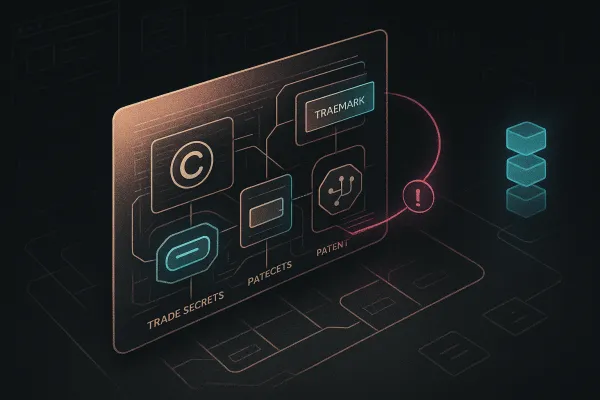
Trademark Trademark Maintenance and Renewal: A Practical Guide for Startups A trademark registration is only as strong as its maintenance. This guide covers exact USPTO filing deadlines at years 5-6 and 9-10, specimen requirements, Section 8 and 15 filings, and what happens if you miss a window. Built for founders managing brand IP on a lean budget.
AI Law U.S. Scraping Limits, API Access Controls, and National-Security Actions Are Reshaping AI Training Data Sourcing (and Fair Use) Federal enforcement, evolving case law, and national-security orders are tightening legal rules around AI training data. This guide covers scraping limits, API terms enforcement, copyright risks, and export-control issues for companies building or fine-tuning AI models.
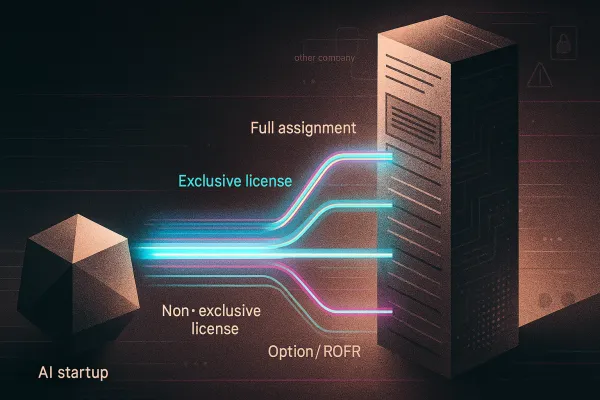
Intellectual Property & Branding How to Buy a Patent: Due Diligence, Valuation, and Assignment Guide for Startups Buying a patent requires more than agreeing on a price. This guide covers freedom-to-operate analysis, prior art review, valuation methods, assignment documentation, and post-acquisition integration for founders evaluating patent acquisitions.
Startup Central Founder Agreement Template: Equity Splits, Vesting, and IP Assignment Explained A founder agreement locks in equity splits, vesting schedules, IP assignment, roles, and what happens if someone leaves. This guide explains each critical clause, common negotiation points, and the legal protections that prevent co-founder disputes from derailing your company.
Startup Central Trademark and Domain Strategy for Startups: A Complete Guide Your brand name and domain are operational infrastructure, not an afterthought. This guide covers combined trademark and domain clearance, USPTO registration timing, defensive domain portfolios, and enforcement strategies that protect your startup's online identity.
Intellectual Property & Branding How Long Do Trademarks Last? Registration, Renewals, and Rights U.S. trademark registrations can last indefinitely if you file required maintenance at years 5-6, 9-10, and every 10 years after. This guide maps the exact USPTO timeline, explains Section 8, 9, and 15 filings, and covers what happens when deadlines slip.
Technology, AI, & Digital Innovation Generative AI Training and Copyright Law: Fair Use, Technical Reality, and a Path to Balance Generative AI is colliding with copyright law in real time: lawsuits against model developers, growing creator backlash, and rising regulatory attention. This analysis maps how fair use doctrine applies to training data and where licensing intersects.
Intellectual Property & Branding How Long Do Trademarks Last? Lifespan, Renewal Timeline, and How to Maintain Protection U.S. trademark registrations run on strict maintenance cycles, and missed deadlines can cancel your registration with no simple revival. This guide covers year 5-6, 9-10, and 10-year renewal filings, specimen requirements, and an annual checklist for brand protection.
Guides, Reviews & Commentary Understanding Label Advances and Recoupment: What Recording Artists Actually Owe Most artists misunderstand how label advances work. Advances are pre-payments against future royalties, not personal loans. This guide covers recoupment mechanics, cross-collateralization traps, royalty calculations, and the contract clauses that control back-end pay.
Startup Central Startup Legal Playbook: Early Legal Moves to Protect IP, Data, and Brand for Sustainable Growth Startups that treat legal infrastructure as an afterthought pay for it later. This playbook covers securing intellectual property, implementing data-privacy basics, protecting your brand, and building enforceable contracts from the start.
Intellectual Property & Branding Intellectual Property Violations Explained: How to Identify, Respond, and Enforce Your IP IP violations range from trademark infringement to trade-secret misappropriation and copyright claims. Each carries different enforcement mechanisms and damages. This guide explains the major categories and the legal steps startups should take to protect their IP.
Intellectual Property & Branding Licensing Your Characters to Generative AI Platforms: A Legal & Governance Checklist for Studios and AI Companies Generative AI platforms want to use characters and likenesses in ways traditional licensing never anticipated. Rights holders need contracts addressing training-data use, output ownership, quality control, and takedown rights. This checklist covers the key terms.
Trademark Why modern businesses need a deliberate trademark and brand protection strategy A trademark is only as strong as the strategy behind it. Brand protection goes beyond filing applications; it requires monitoring, enforcement, and alignment with business goals. This guide explains how to build a strategy that scales across markets and channels.
Intellectual Property & Branding Why trademark lifespan and renewals matter for serious brands A trademark registration is not permanent. Missing renewal deadlines or failing to prove continued use can cancel your mark. This guide covers the U.S. maintenance timeline, required filings at each stage, and the enforcement steps that keep protection intact.
Startup Central The Startup Guide to Domain Name Trademarks: How to Pick, Clear, Register, and Defend Your Core Domains Choosing a domain name without checking trademark availability is a costly startup mistake. This guide explains how domains and trademarks overlap, when a domain qualifies for protection, how to handle disputes, and the steps to secure your brand online.
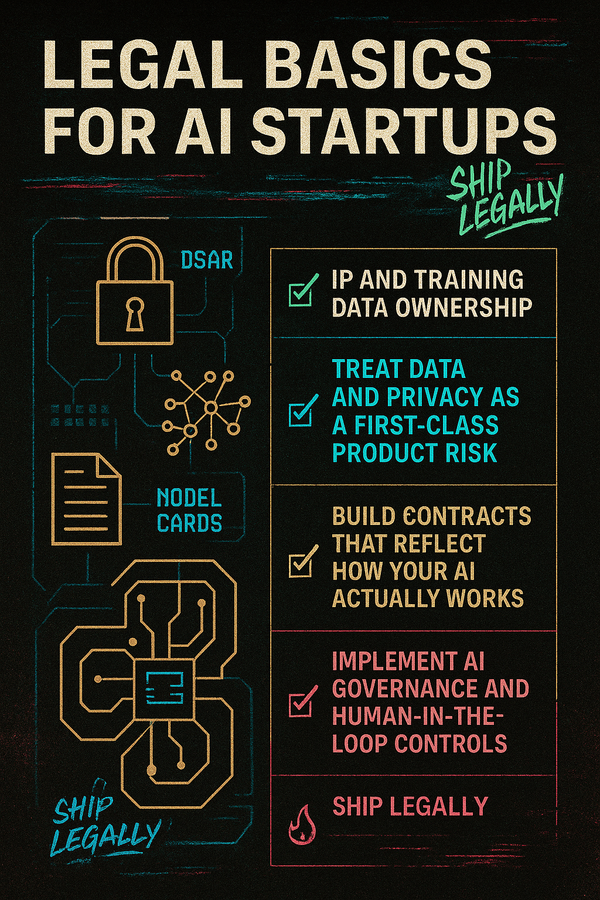
AI Law The Non-Negotiable Legal Basics for AI Startups AI startups that skip foundational legal work face IP disputes, regulatory enforcement, and deal friction. This guide covers training-data rights, model ownership, privacy compliance, vendor contract terms, and lightweight governance frameworks every AI company needs.
Intellectual Property & Branding How Long Do Trademarks Last? Lifespan, Renewal Timeline, and Consequences of Missing a Deadline (US Guide) A U.S. trademark registration can last forever if you file the right maintenance documents on time and continue using the mark. This guide explains the renewal timeline, Section 8 and 9 filings, grace periods, and what happens when a mark lapses.
Intellectual Property & Branding Turn Trademark Protection into a Repeatable System and Quick‑start Checklist Ad hoc trademark protection breaks down as your portfolio grows. This guide shows how to build a repeatable system for clearance searches, filing strategy, infringement monitoring, and enforcement that reduces cost and catches threats earlier.
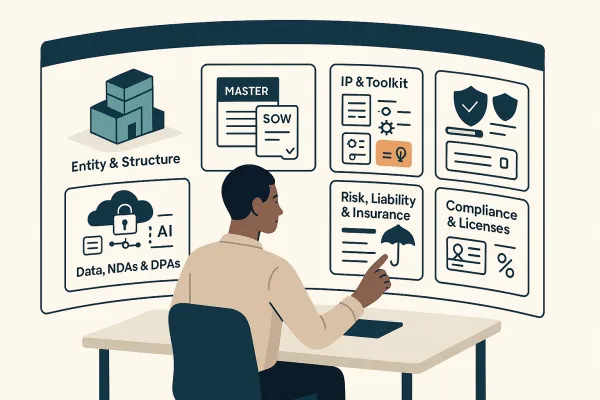
Business Formation & Corporate Governance The Consultant’s Legal Playbook: Four Pillars to Protect Your Business, IP, and Income Operating as a consultant without legal foundations creates predictable problems: personal liability, unpaid invoices, lost IP, and scope disputes. This playbook covers entity formation, MSA design, IP carve-outs, and risk management through insurance and contracts.
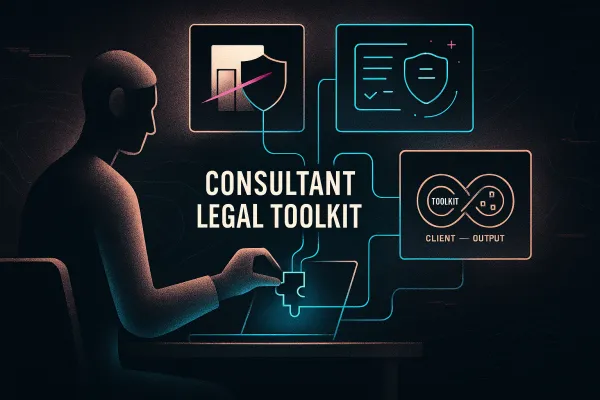
Startup Central The Consultant’s Legal Checklist: Formation, Contracts, IP & Risk Management (With Service Agreement Tips) Many consultants launch with DIY documents and face disputes over scope, fees, and IP ownership. This checklist provides steps for entity formation, MSA and SOW design, IP carve-outs, data compliance, liability caps, and insurance alignment.
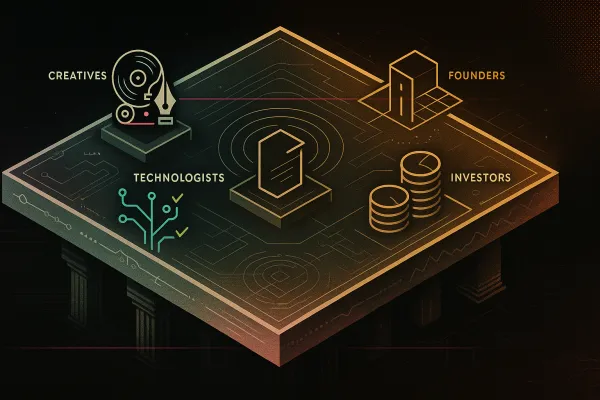
Startup Central How Strong Legal Foundations Boost Your Financial Outcomes (for Creatives, Entrepreneurs, Technologists, and Investors) Ignored legal basics cost real money: artists sign away masters, founders miss 83(b) elections, and acquirers discount messy cap tables. This guide shows how entity choice, IP assignments, contracts, and tax elections drive valuation and after-tax outcomes.
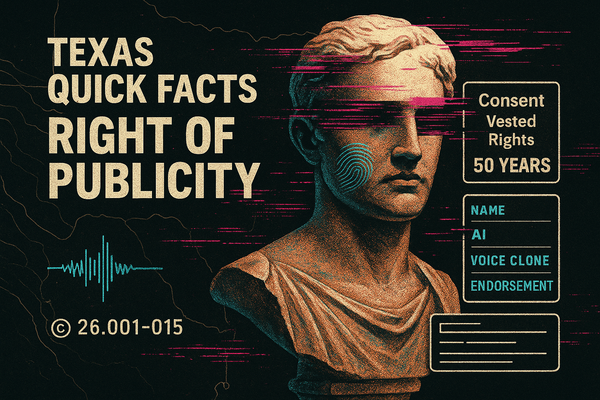
Intellectual Property & Branding Texas Quick Facts: Publicity Rights at a Glance Texas treats post-mortem publicity rights as transferable property under Chapter 26 with a 50-year term. For the living, common-law misappropriation applies. This guide covers statutes, case law, AI and deepfake considerations, and a compliance checklist.
Startup Central Startup Law Firms: Empowering Your Business with Specialized Legal Expertise Startup law firms focus on the legal challenges facing early-stage companies, from entity selection and IP protection to fundraising and regulatory compliance. Research shows startups with dedicated legal support are more likely to reach funding milestones and avoid costly disputes.
Startup Central Startup Company Lawyer: Your Strategic Partner in Building a Resilient Business A startup company lawyer guides founders through entity structuring, IP protection, fundraising, and regulatory compliance. Studies show startups that secure IP protections are up to 10x more likely to obtain funding. Early legal engagement builds resilience from day one.
Startup Central Lawyers Working in Austin for Startups and Businesses Austin's startup ecosystem demands counsel that understands Texas regulations and the fast-moving tech landscape. Local attorneys provide hands-on support for entity formation, IP protection, venture capital transactions, and compliance tailored to Austin-based founders.